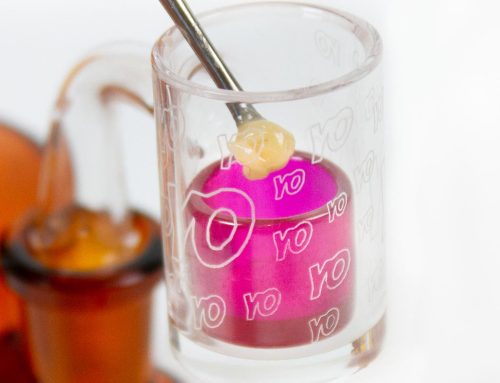
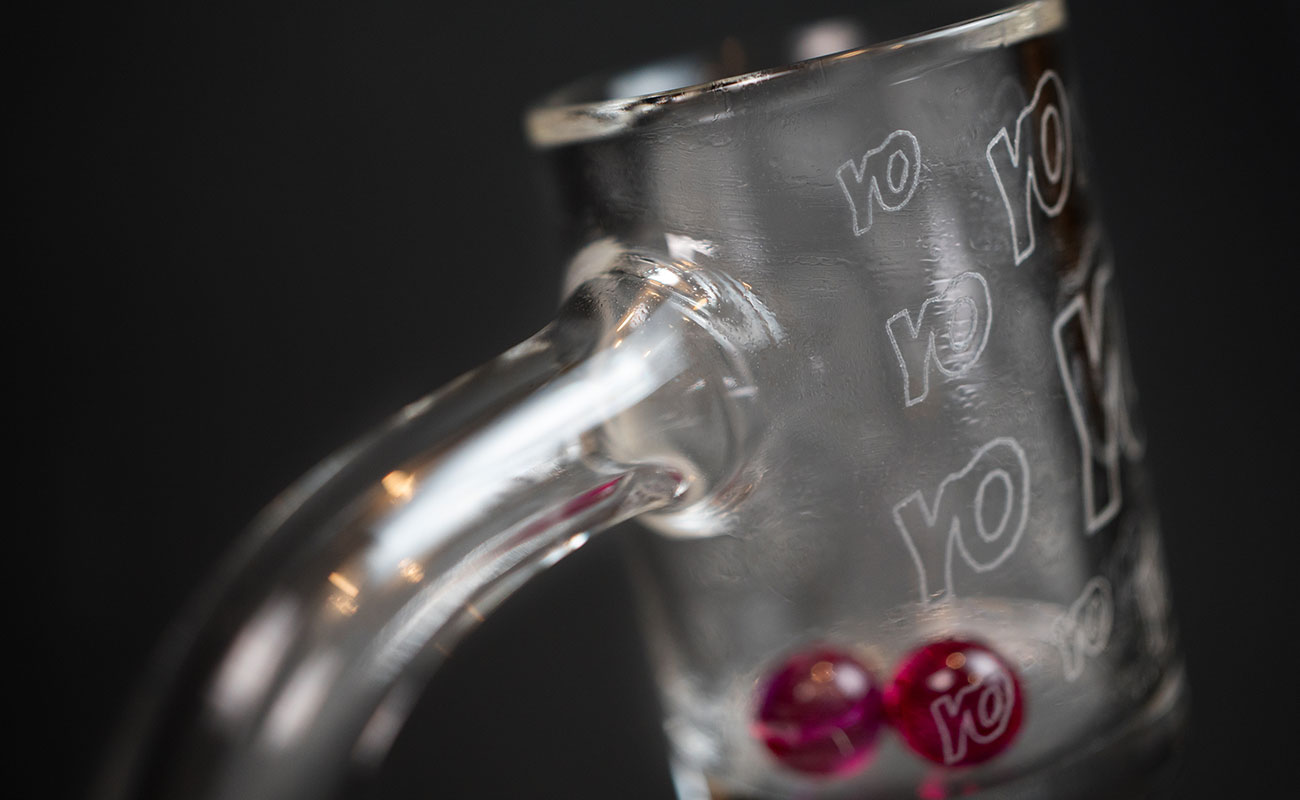
Terp pearls are one of the simplest upgrades you can make to your dab rig setup, and one of the most impactful. A small bead that sits inside your banger, they spin with airflow and completely transform how your concentrates vaporize. If you’ve ever wondered what all the hype is about, or if yours won’t spin the way they should, this guide covers everything you need to know.
What Are Terp Pearls?
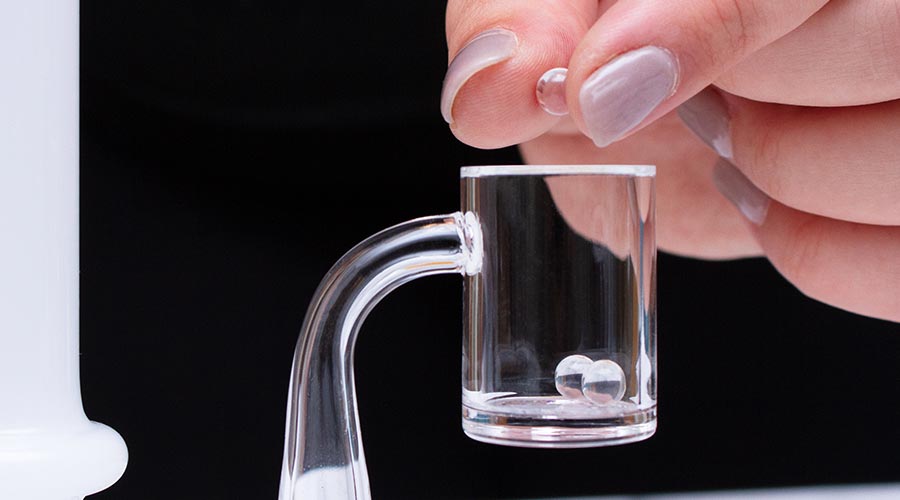
Terp pearls, also called terp balls or dab pearls, are small spherical beads, typically 6mm in diameter, placed inside a quartz banger before you take a dab. When you draw through your rig, the airflow from your carb cap causes the pearls to spin in a circular motion along the bottom and walls of the banger.
That spinning action does two important things: it distributes your concentrate across a larger surface area, and it keeps the oil moving so it never puddles and burns in one spot. The result is a more complete, more flavorful hit, especially at lower temperatures.
They go by a few different names depending on who you’re talking to. Dab pearls, terp balls, and banger beads are all the same thing. The “terp” in the name refers to terpenes, the aromatic compounds in cannabis that give different strains their distinct flavors. Because pearls help you dab at lower temperatures without wasting oil, they preserve more of those terpenes in every hit.
What Do Terp Pearls Do?
To understand why terp pearls matter, it helps to understand the problem they’re solving.
When you drop concentrate into a hot banger without pearls, the oil tends to pool in the center of the flat bottom. Only the oil that’s directly touching the hot surface vaporizes efficiently. The rest either burns (producing harsh, flavorless vapor) or stays as wasted residue in the corners of the banger.
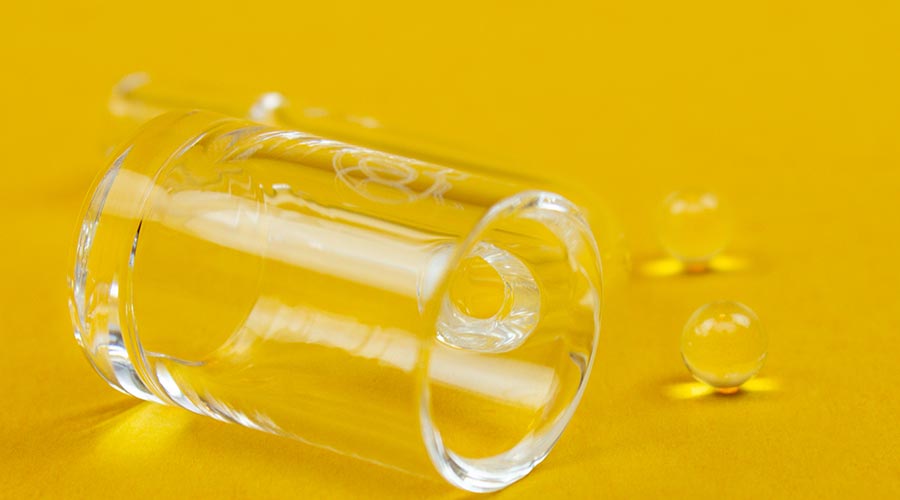
Terp pearls fix this by:
- Spreading the oil. Spinning pearls push your concentrate outward, coating more of the banger’s heated surface area so everything vaporizes more evenly.
- Preventing pooling and burning. Instead of sitting in one spot and scorching, oil is kept in constant motion across the banger walls.
- Enabling lower-temp dabs. Because heat distribution is more efficient, you don’t need to dab at dangerously high temps to vaporize all your concentrate. Lower temps mean better flavor and smoother hits.
- Increasing vapor production. More surface contact means more vapor per dab. You’ll get thicker, more satisfying clouds from the same amount of material.
The difference is most noticeable with high-terpene extracts like live resin and fresh-press rosin, where preserving flavor at low temps is the whole point.
Terp Pearl Materials: Quartz, Ruby, and SiC
Not all terp pearls are made the same. The material affects heat retention, durability, spin performance, and flavor. Here’s how the most common options compare:
Quartz Terp Pearls
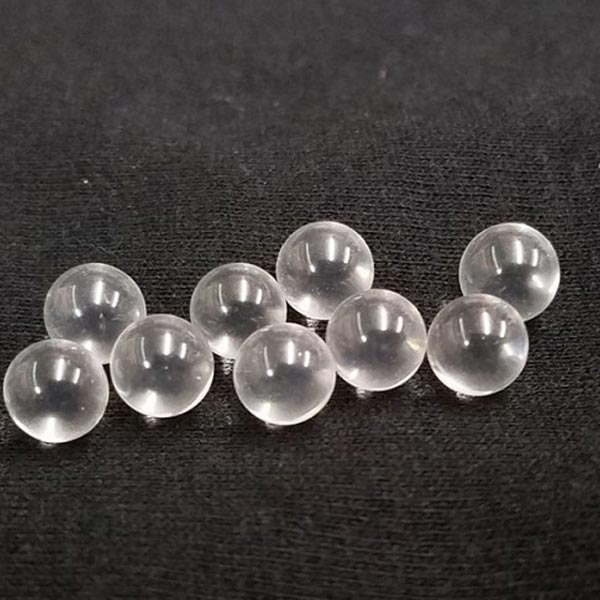
Quartz is the most common material and a solid choice for most dabbers. It heats and cools predictably, pairs naturally with quartz bangers, and is generally the most affordable option. Quartz pearls are transparent or slightly frosted, making it easy to spot any residue buildup. If you want to take quartz performance further, pairing your pearls with a quartz banger insert is a great option for even better heat retention and easier cleanup.
Best for: Beginners, everyday dabbing, budget-conscious setups.
Ruby Terp Pearls
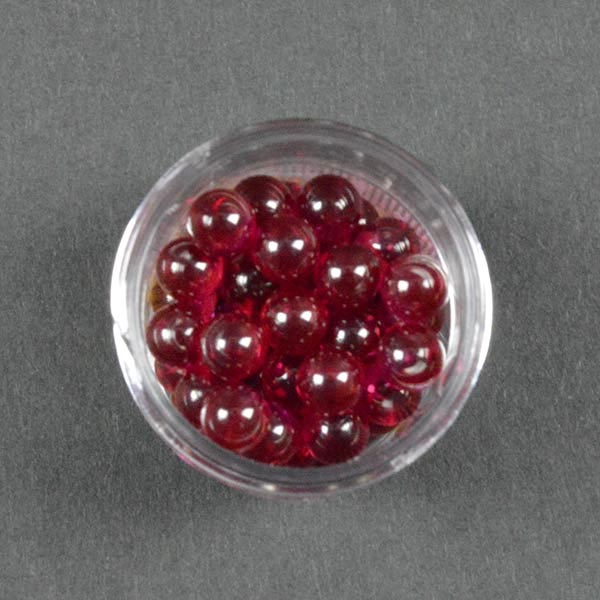
Ruby (synthetic corundum) pearls are denser than quartz, which gives them better heat retention. They hold temperature longer, which is especially useful for longer dabs or when you’re trying to squeeze every last drop out of a low-temp session. Ruby pearls also tend to be extremely smooth, which contributes to their spin performance. They come in a distinctive deep red color.
Best for: Experienced dabbers who want longer-lasting heat and premium performance.
Silicon Carbide (SiC) Terp Pearls
SiC is widely considered the top-tier material for terp pearls. It heats faster than quartz, retains heat better than ruby, and is exceptionally durable. SiC is also chemically inert and considered extremely food-safe. Many dabbers report that SiC pearls produce the cleanest, most neutral flavor with no material-specific taste, just pure terpenes.
The tradeoff is cost. SiC pearls are significantly more expensive than quartz, and their dark gray/black appearance can make it harder to monitor cleanliness.
Best for: Flavor-chasing enthusiasts who prioritize performance above all else.
Quick Comparison
| Material | Heat Retention | Flavor Neutrality | Durability | Price |
|---|---|---|---|---|
| Quartz | Good | Good | Very Good | $ |
| Ruby | Very Good | Very Good | Good | $$ |
| SiC | Excellent | Excellent | Excellent | $$$ |
How to Use Terp Pearls
Using terp pearls correctly makes a significant difference in your results. Here’s the step-by-step process:
Terp Pearls Not Spinning? Here’s What to Do
One of the most common frustrations is dropping in pearls and finding they just sit there with no spin and no movement. Here’s how to diagnose and fix it:
Wrong Carb Cap
The number one reason terp pearls don’t spin is using the wrong carb cap. A flat cap or a cap with a fixed hole won’t direct airflow in a way that creates rotation. You need a directional carb cap, specifically one with an angled hole that you can rotate to aim airflow in a circular direction. If your pearls aren’t spinning, try a different cap before anything else.
Too Much Airflow
If you’re inhaling too fast, the airflow becomes turbulent instead of directed, and the pearls tumble randomly rather than spinning in a smooth orbit. Slow down your draw. A slow, controlled inhale gives the directed airflow time to do its work.
Pearls Are Dirty
Residue buildup on the surface of the pearls can increase friction and kill the spin. Clean your pearls regularly by soaking them in isopropyl alcohol after each session and rinsing with warm water. Clean pearls on a clean banger surface spin dramatically better than neglected ones.
Banger Joint Isn’t Level
If your dab rig sits at an angle, the pearls may slide to one side under gravity and not spin freely. Make sure your rig is on a flat, stable surface and that your banger’s bottom is as close to level as possible.
Wrong Size Pearls for Your Banger
Standard 6mm pearls are designed for 25mm flat-top bangers. If your banger is smaller (like a 20mm), 6mm pearls can be too large to spin freely and end up grinding against the walls. Use 4mm pearls for smaller bangers.
Recap: Terp Pearls Not Spinning Checklist
- Use a directional (ball/cyclone) carb cap
- Slow down your inhale
- Clean your pearls and banger thoroughly
- Make sure your rig is on a level surface
- Match pearl size to your banger size
Terp Pearl Maintenance and Cleaning
Clean pearls perform better and last longer. After every session, drop your pearls into a small container of isopropyl alcohol (90% or higher is recommended) and let them soak for a few minutes. Rinse with warm water and air dry. Avoid wiping with paper towels or cloth, which can leave fibers on the surface.
For stubborn buildup, let them soak longer or use a cotton swab to gently scrub while submerged. If you’re using quartz pearls, avoid thermal shocking by dunking hot pearls into cold liquid. Let them cool to room temperature first.
Inspect your pearls for chips or cracks periodically. A damaged pearl won’t spin as smoothly and could contribute debris to your vapor. If they’re chipped, replace them since they’re inexpensive.
Do You Actually Need Terp Pearls?
Terp pearls aren’t strictly required to take a dab, but for anyone who cares about flavor and efficiency, they’re essentially essential. The performance difference is significant enough that many experienced dabbers consider them standard equipment rather than an optional upgrade.
If you’re dabbing with high-quality extracts, especially anything live or fresh-press, pearls make a noticeable difference in how much flavor you get from each dab. They’re also surprisingly helpful for catching the tail end of a dab, pulling up any residual oil that would otherwise puddle and caramelize into reclaim.
For beginners, they do add one more thing to manage (the carb cap technique matters more with pearls), so there’s a small learning curve. But once you’ve dialed in the technique, it becomes second nature.
Ready to Level Up Your Setup?
Terp pearls are just one piece of a well-optimized dab setup. For more on building out your rig, the dab rig guide covers everything from choosing the right piece to dialing in your technique.